
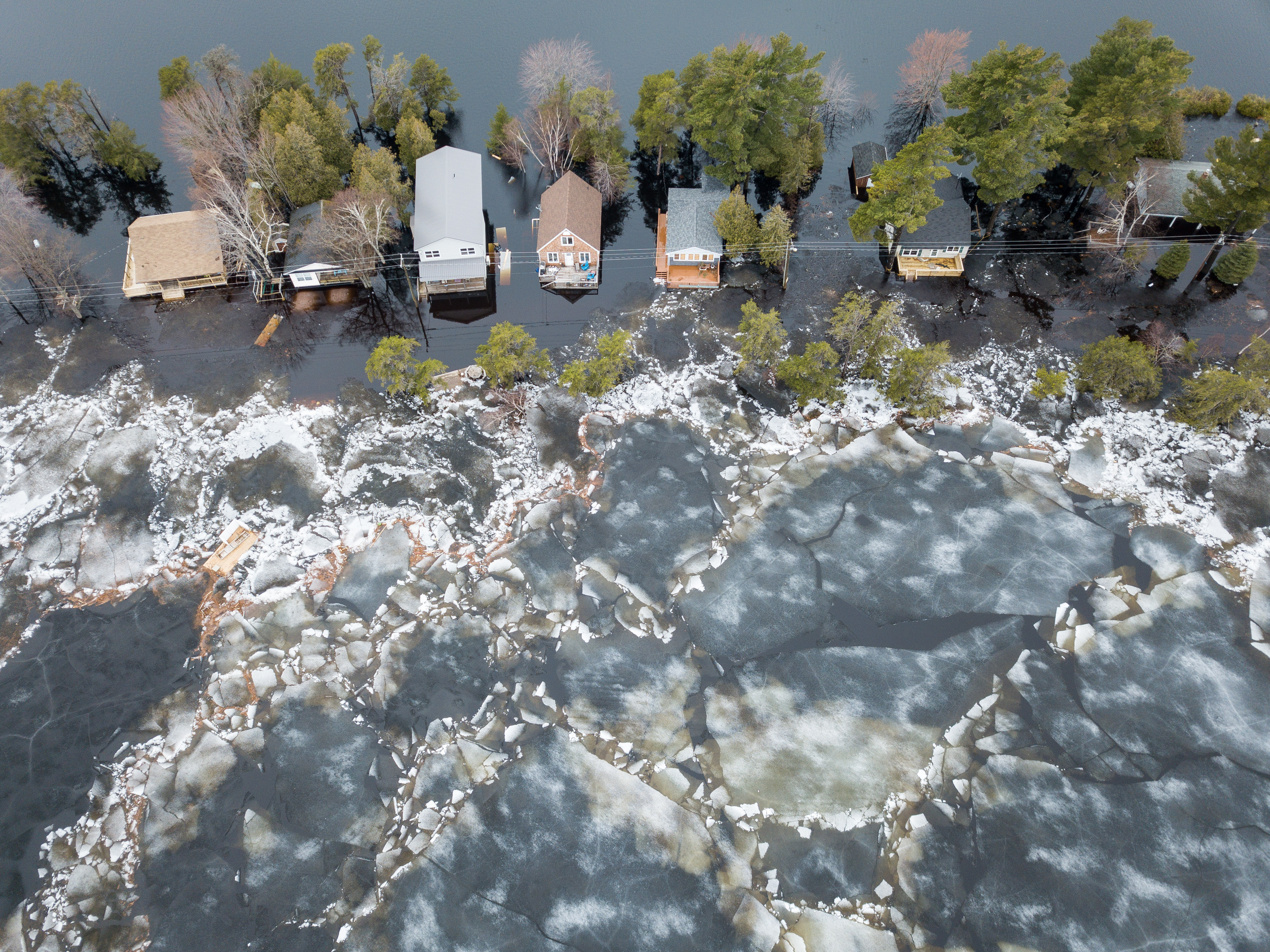
With hurricane season threatening homes across Florida every year, flood damage is one of the most devastating and expensive losses a homeowner can face. At propertyinsurance.law, we represent Florida policyholders when their flood insurance claims are denied, delayed, or underpaid. This guide breaks down the key facts every Florida homeowner needs to know about flood insurance, claims, and policyholder rights.
For more on how Florida policies handle these losses, see our page on water damage insurance claims.
Who Provides Flood Insurance in Florida?
Most flood insurance policies in Florida are underwritten by the National Flood Insurance Program (NFIP), which is managed by FEMA. These policies may be issued directly by NFIP (NFIP Direct) or through the Write Your Own (WYO) program, where private insurers issue and service the policy but FEMA still pays the claims.
In addition to NFIP policies, many private flood insurance policies are now available through licensed Florida insurers. These may include standard, preferred, flexible, or supplemental flood coverage options.
What Counts as a Flood Under My Policy?
Both NFIP and private market policies define a flood as a temporary condition of partial or complete inundation of at least two or more acres of normally dry land, or two or more properties, including the insured's.
Flooding must come from overflow of inland or tidal waters, rapid accumulation or runoff of surface waters, mudslides caused by flooding, or collapse of land near a body of water due to erosion.
Important: water damage from just one property or non-flood-related causes may not qualify under NFIP terms.
Types of Flood Insurance Coverage
A standard NFIP policy offers building and contents coverage, which must be purchased separately, and is subject to FEMA rules and claim procedures.
Private market flood insurance may match or exceed NFIP coverage, and often includes additional benefits like additional living expenses, replacement cost for contents, coverage for water intrusion not strictly defined as flood, higher coverage limits, and supplemental protection for jewelry, art, or deductibles.
To find your best option, consult a licensed Florida agent.
When Does Flood Coverage Begin?
There is usually a 30-day waiting period before flood insurance takes effect, unless the policy is purchased in connection with a loan or refinance, or the policy is transferred to a new property owner.
This is why you should never wait until a storm is approaching to purchase coverage.
How to File a Flood Insurance Claim in Florida
Report the loss immediately, and document everything. Take photos of all damage, keep samples of damaged materials such as carpet or drywall, write an inventory of destroyed contents, and save receipts and contractor estimates.
An adjuster should contact you within 48 hours. They will inspect the property, take measurements, and provide a Proof of Loss form.
Submit your Proof of Loss within 60 days of the flood, and keep copies of everything you submit.
Disputing a Flood Insurance Claim
If you disagree with the adjuster’s assessment, ask for a breakdown of how they calculated the damage, provide independent estimates or reports, and submit your disagreement in writing.
NFIP claims cannot be mediated through Florida’s Residential Property Mediation Program. However, you may file an appeal directly with FEMA.
If FEMA denies the appeal, you still have the right to sue. At propertyinsurance.law, we evaluate and litigate denied flood insurance claims throughout Florida.
Important Tips for Florida Homeowners
Do not delay filing, since the 60 day deadline goes by quickly after a major storm. Keep receipts and proof of ownership for major items. Create a digital home inventory before a disaster strikes. Review your flood zone using FEMA’s Flood Map Service Center.
If your flood insurance claim was denied, delayed, or underpaid in Florida, you do not have to fight FEMA or your insurance company alone. At propertyinsurance.law we represent homeowners across Florida in flood claim disputes. Our attorneys are ready to step in and demand the full compensation you’re owed under your policy.