
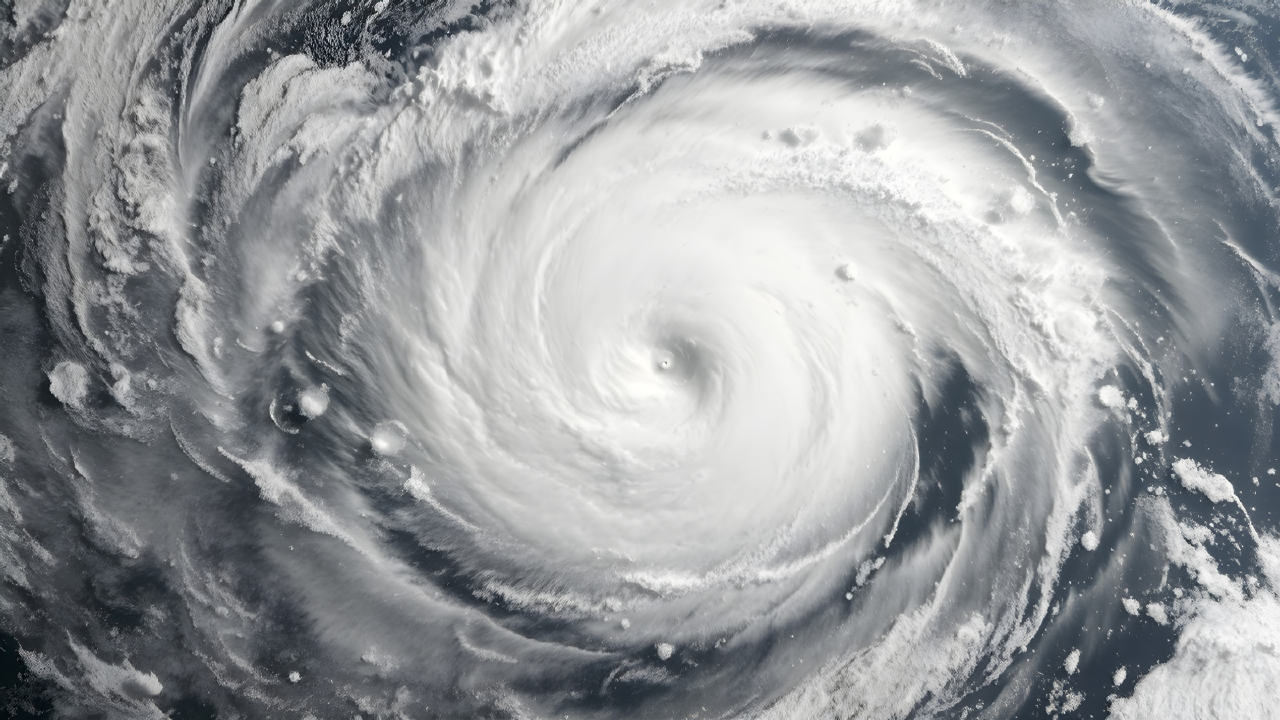
Hurricanes move fast. The aftermath does not.
If your home has sustained hurricane damage in Florida, the steps you take in the first hours and days can significantly affect both your safety and your insurance claim.
Knowing what to do immediately after hurricane damage can help protect your property, preserve evidence, and avoid common claim mistakes.
Our hurricane and tropical storm damage claims page walks through what typically happens next if the claim is denied, delayed, or underpaid.
Step One: Make Sure It Is Safe
Before anything else, ensure your home is safe to enter.
Watch for downed power lines, gas leaks, structural instability, and standing water that may conceal hazards. If the property is unsafe, wait for appropriate authorities or professionals before entering.
Your safety is always the priority.
Step Two: Prevent Further Damage
Most Florida insurance policies require homeowners to take reasonable steps to mitigate further damage after a loss.
This may include placing tarps on a damaged roof, boarding broken windows, or removing standing water to prevent additional interior damage.
Keep receipts for any emergency services or temporary repairs. These costs are often part of the claim.
Avoid making permanent repairs before the insurance company has had an opportunity to inspect the damage, unless immediate repairs are necessary to prevent further harm.
Step Three: Document Everything
Thorough documentation is critical.
Take wide angle and close up photographs of all visible damage. Capture roof damage if it can be done safely. Photograph interior staining, fallen debris, damaged fencing, broken windows, and water intrusion.
Create a written list of damaged items. Include approximate purchase dates and values if possible.
The more detailed your documentation, the stronger your position during the claim process.
Step Four: Report the Claim Promptly
Notify your insurance company as soon as reasonably possible.
Provide basic information about the date of loss and the type of damage observed. Ask for a claim number and keep a record of all communications.
Prompt reporting helps avoid later disputes over late notice and allows the insurer to schedule inspections more quickly.
Step Five: Be Careful With Contractors and Solicitation
After hurricanes, contractors often canvass neighborhoods offering inspections and repairs.
While many contractors are reputable, you should exercise caution. Avoid signing contracts or assignments without reviewing them carefully. Do not feel pressured to commit immediately.
Verify licenses and credentials. Consider obtaining multiple opinions before proceeding with significant repair agreements.
Step Six: Prepare for the Insurance Inspection
When the insurance adjuster schedules an inspection, try to be present if possible.
Provide access to all damaged areas. Share your photographs and documentation. If you have obtained a contractor estimate, you may provide it for consideration.
Clear communication during the inspection can reduce misunderstandings later.
Avoid Common Mistakes
Do not discard damaged property before documenting it unless it poses a safety risk.
Do not exaggerate or speculate about damage. Accuracy and consistency are important throughout the claim process.
Keep organized records of estimates, receipts, emails, and inspection reports.
When to Seek Guidance
Most hurricane claims are resolved through the normal adjustment process. However, if your claim is delayed, underpaid, or denied, you may consider seeking guidance.
A Florida property insurance attorney can review your policy, documentation, and claim history to determine whether the insurer’s handling appears consistent with the coverage purchased.
If you would like to discuss your hurricane damage claim, you may request a consultation to review your situation and options.