After a major Florida storm, insurance companies can receive a large volume of claims in a short period of time. Inspections take longer, adjuster caseloads grow, and follow-up can stall. If your property is damaged, documenting the loss early and staying on top of the claim can make a meaningful difference.
Our attorneys represent Florida property owners throughout the insurance claim process, from the initial claim through disputes over coverage, scope, and payment. If you have questions about what to document, what the insurance company is requesting, or whether your claim is being handled properly, we can review it with you.
Already dealing with storm damage?
You do not need to wait for a denial before asking questions. Send us the carrier’s letter, estimate, photographs, or simply tell us what has happened so far. We will review the claim and tell you plainly where it stands.
Hurricane Isaias: Florida Panhandle
Hurricane Isaias made landfall near Destin on October 9, 2026, bringing damaging winds, heavy rain, and storm surge to Escambia, Santa Rosa, Okaloosa, Walton, and Bay counties.
If your home or business was damaged, see our Hurricane Isaias insurance claims page for what to do now, the disputes to expect, and the deadlines that apply. You do not have to wait for a denial to get an attorney involved.
Track the Storm
This graphic from the National Hurricane Center shows the current tropical weather outlook for the Atlantic basin and updates automatically as conditions change.
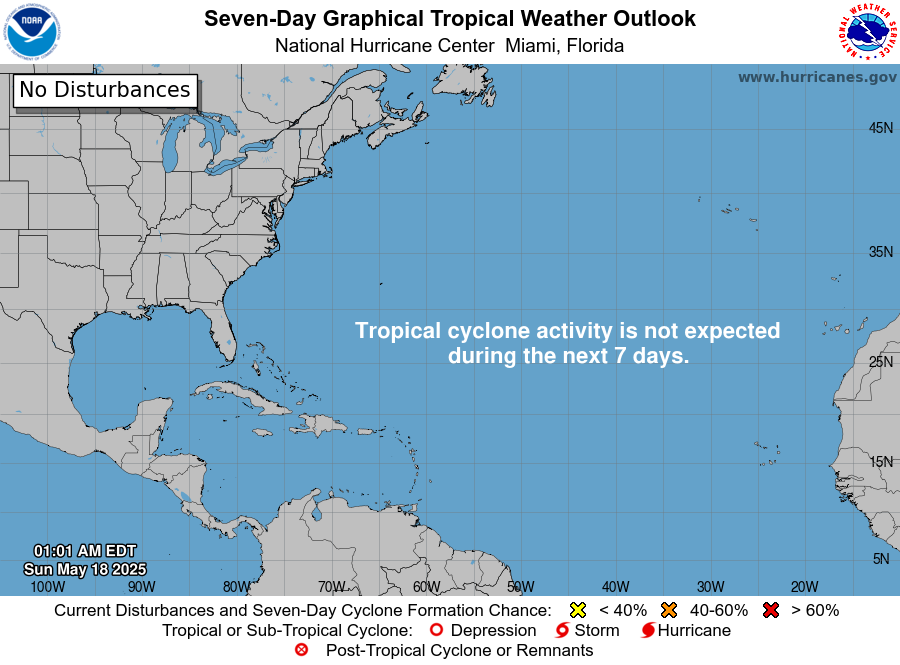
Source: NOAA / National Hurricane Center. This graphic is hosted directly by NOAA and reflects its most recent update. For current advisories, forecast cones, and additional storm information, visit the National Hurricane Center’s Atlantic page.
Official Emergency Resources
National Hurricane Center (NOAA). Official storm tracking, forecast cones, and advisories. nhc.noaa.gov
Florida Division of Emergency Management. Statewide alerts, evacuation orders, and shelter information. floridadisaster.org
Ready.gov Hurricane Guide. FEMA preparation information and family emergency planning resources. ready.gov/hurricanes
FL511. Real-time Florida traffic, road closures, and evacuation route conditions. fl511.com
Federal Emergency Management Agency (FEMA). Disaster assistance and federal relief program information. fema.gov
More Preparedness Resources
NWS: Hurricane Safety Overview. The National Weather Service’s hurricane safety guidance. weather.gov/safety/hurricane
NWS: Understanding Watches & Warnings. What hurricane watches, warnings, and storm surge warnings mean. weather.gov/safety/hurricane-ww
NWS: Make an Emergency Plan. Guidance for building a family communication and evacuation plan before a storm. weather.gov/safety/hurricane-plan
NWS: What to Do During the Storm. Safety guidance for the hours when a storm is affecting your area. weather.gov/safety/hurricane-action
NWS: What to Do After the Storm. Official post-storm safety guidance, including hazards to watch for after a storm passes. weather.gov/safety/hurricane-after
NHC: Hurricane Hazards Explained. Information about storm surge, wind, inland flooding, tornadoes, and other hurricane hazards. nhc.noaa.gov/prepare/hazards.php
NOAA: Historical Hurricane Tracks. An interactive map showing historical storm tracks near your area. coast.noaa.gov/hurricanes
Evacuate or Shelter in Place? Guidance from DisasterAssistance.gov for determining whether to evacuate or remain in place. disasterassistance.gov
American Red Cross: Make a Plan. A family emergency planning resource from the American Red Cross. redcross.org
American Red Cross: Pet Disaster Preparedness. Evacuation and shelter planning for households with pets. redcross.org
Helping Children Cope After a Disaster. Guidance from the National Child Traumatic Stress Network for helping children after a disaster. nctsn.org
Special-Needs Evacuation Planning. Accessible evacuation and registration guidance from the Disability Achievement Center for Pinellas and Pasco County residents with disabilities. mydacil.org
What to Do Immediately After the Storm
Once it is safe to do so, check for immediate hazards such as downed power lines, gas leaks, standing water near electrical sources, or structural damage before entering the property.
Take reasonable steps to prevent additional damage if you can do so safely. Depending on the circumstances, this may include temporary roof protection, water extraction, or other emergency measures. Photograph the condition of the property and keep contracts, invoices, and receipts for any work performed.
Photograph and video the damage before cleanup or permanent repairs begin whenever possible. Report the claim to your insurer promptly. Florida law generally requires notice of a new or reopened property insurance claim within one year after the date of loss and notice of a supplemental claim within 18 months.
Be cautious with contractors who arrive in the neighborhood immediately after a storm. Verify licenses where applicable, get the scope and price of the work in writing, and read anything you are asked to sign before signing it.
Before Landfall: A Short Checklist
Did the storm damage your property?
If you have already reported the claim, send us what you have. If you have not reported it yet and are unsure where to start, we can walk you through the process.